Best Non Toxic Cooking Utensils - When it concerns cooking, all of us want to prioritize our wellness and wellness. But did you understand that the cooking equipment and utensils we utilize can also impact our wellness? Lots of traditional kitchen area devices contain dangerous chemicals that can leach http://landenmnls410.tearosediner.net/10-tell-tale-signs-you-need-to-get-a-new-non-toxic-cooking-utensils right into our food and create a series of health and wellness issues. This is where non-toxic cooking tools can be found in. In this post, we will explore the importance of utilizing safe kitchenware and tools in your kitchen. We will explore the threats associated with poisonous cookware and identify non-toxic products for cookware and utensils. Furthermore, we will certainly discover some excellent safe kitchenware choices readily available out there today, in addition to safer alternatives for food storage space. So if you're looking to make your kitchen area a safer place, read on to discover everything you require to know about safe cooking utensils.
 10 Things Steve Jobs Can Teach Us About best non toxic cooking utensils
Recognizing the Importance of Safe Cooking Tools
Making use of cooking area tools made from non-toxic materials is important for promoting a healthier kitchen environment. By picking safe cooking utensils, you can prevent dangerous chemicals from seeping into your food throughout the cooking procedure. This is particularly important for individuals with chemical level of sensitivities. Non-toxic tools likewise guarantee that your food continues to be uncontaminated and secure to eat. In addition, choosing non-toxic utensils reduces the risk of lasting wellness results. Make the switch to wooden, silicone, or stainless-steel cooking utensils for plenty of benefits in your kitchen area.
Why Non-Toxic Kitchenware Issue?
Non-toxic cooking equipment is crucial for keeping a safe and healthy and balanced cooking area. It stops unsafe chemicals from infecting food and decreases the danger of toxic compounds seeping right into your meals. By using safe materials, you can ensure that your food remains free from any type of potentially dangerous compounds existing in cookware made from toxic products.
The Threats Related To Toxic Cookware
Food preparation with toxic pots and pans positions significant health and wellness risks. When revealed to heats, poisonous kitchenware can launch damaging chemicals that might infect food. Materials like Teflon can produce toxic fumes when overheated, additionally boosting the threats. Long term direct exposure to these poisonous materials can have unfavorable results on long-lasting wellness. By using safe choices such as wood tools, stainless-steel kitchenware, or silicone spatulas, you can minimize the risk of chemical contamination in your food. Ensure to focus on safety in your kitchen area to protect yourself and your liked ones.
Identifying Safe Materials for Cookware and Tableware
Stainless-steel kitchenware and utensils, with their resilient and non-toxic properties, are a risk-free option for healthy and balanced cooking. Glass pots and pans uses a non-toxic product choice that does not seep unsafe chemicals right into food. Cast iron pots and pans, when correctly seasoned, gives a durable and safe cooking surface area. Non-toxic ceramic pots and pans, as a safer option to standard non-stick finishings, makes certain a much healthier cooking experience. Copper pots and pans, when lined with stainless-steel, can likewise be a risk-free choice for your kitchen. With these various choices available, it's simpler than ever to determine non-toxic products for your pots and pans and utensils.
The 12 Worst Types best non toxic cooking utensils Accounts You Follow on Twitter
Stainless-steel-- A Safe Option
When it concerns safe food preparation tools, stainless-steel is a risk-free and popular choice. These tools are made from products that do not launch harmful chemicals into your food, making certain a healthier cooking experience. Stainless steel is likewise known for its durability, as it can withstand heats and last for years. Furthermore, these utensils are easy to tidy and maintain, making them sensible for active kitchens. With their convenience and eco-friendly nature, stainless steel cooking utensils are a superb selection for any kind of kitchen.
The Benefits of Glass Pots And Pans
Glass kitchenware supplies various benefits that make it a must-have in any kind of cooking area. Firstly, glass is non-reactive, guaranteeing that your food continues to be devoid of dangerous chemicals. Secondly, glass kitchenware offers also warm circulation, enabling perfectly cooked dishes each time. In addition, glass pots and pans is functional and can be utilized for baking, food preparation, and food storage. It is likewise dishwasher safe and aesthetically appealing. With its many benefits, glass kitchenware is a superb choice for any cooking lover.
Utilizing Cast Iron - Advantages And Disadvantages
Utilizing actors iron cooking equipment in the cooking area has its benefits and drawbacks. Among the main advantages is its outstanding warmth retention, which ensures also cooking. Furthermore, cooking with actors iron can add a small amount of iron to your food, giving prospective health benefits. However, it is very important to note that cast iron cookware calls for correct flavoring and upkeep to avoid corrosion. One more consideration is the weight of actors iron, which may be a disadvantage for some people. Regardless of these factors, utilizing cast iron cookware can lead to flavorful and high-grade cooking results.
Discovering Safe Kitchenware Options
Ceramic cookware supplies a more secure non-stick option to conventional coverings, promoting a healthier kitchen area. Glass and stainless-steel are additional non-toxic kitchenware materials that ensure assurance when food preparation for liked ones. Exploring these non-toxic options allows for risk-free and enjoyable cooking experiences, while also making sure that food is devoid of dangerous chemicals. Buying safe cooking equipment offers plenty of benefits, making it an important selection for a more secure and healthier cooking area.
Ceramic-- A Much Safer Non-Stick Option
Conventional non-stick pots and pans can release dangerous chemicals when heated up. Ceramic kitchenware gives a much safer non-stick choice that doesn't launch harmful chemicals. It is resilient and very easy to clean, making it a wonderful investment for any type of cooking area. Furthermore, ceramic food preparation tools are readily available, providing a non-toxic alternative for mixing and offering food. Purchasing safe cooking utensils and cooking equipment is vital for developing a safer and much healthier kitchen area atmosphere.
Why Choose Copper Cooking Equipment?
Copper cookware supplies extraordinary heat conductivity when lined with stainless-steel. It enables accurate temperature control throughout cooking, adding an elegant touch to your cooking area. With appropriate upkeep, non-toxic copper cookware can last for generations, creating remarkable food preparation experiences for unique celebrations.
Silicone Utensils - Are They Safe?
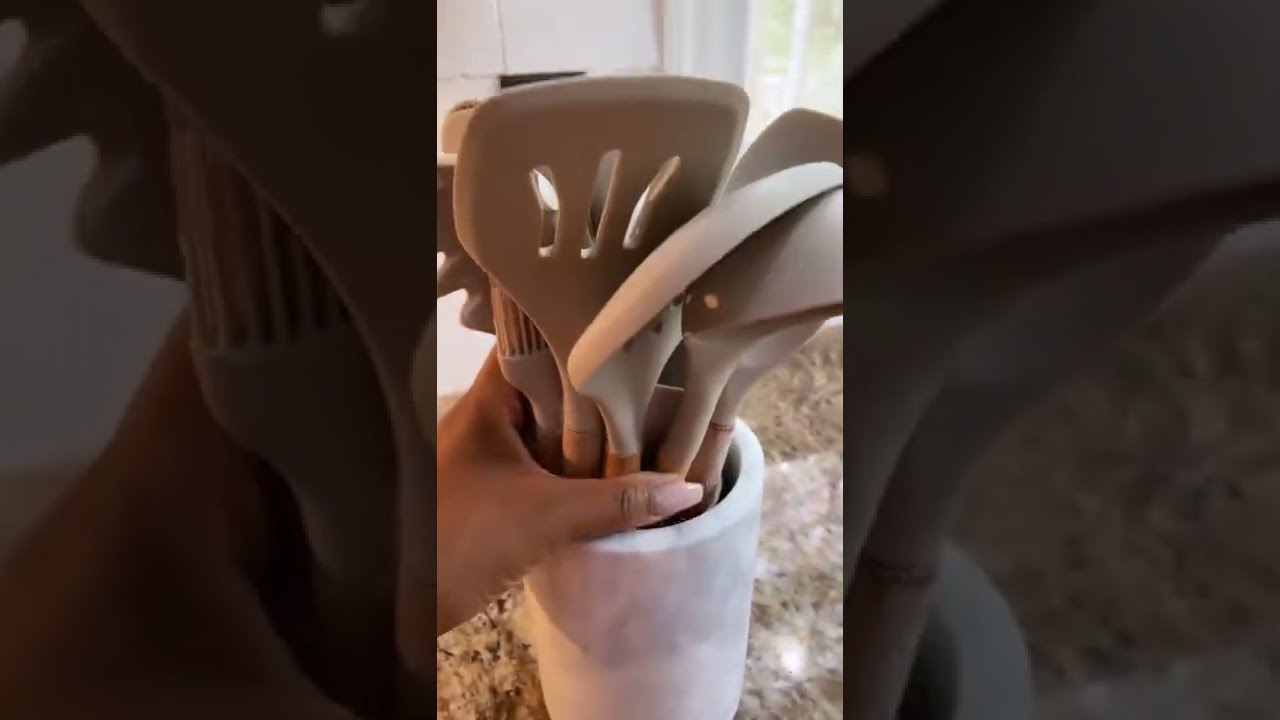
Silicone utensils are a risk-free option for your cooking area. Made from food-grade silicone, they are heat-resistant and safe. These tools do not leach unsafe chemicals right into your food. They are additionally long lasting, dishwasher-safe, and very easy to tidy. Stand up to high temperatures without melting or bending, and their non-stick residential or commercial properties make food preparation and cleansing a wind.
Materials to Avoid in Food Preparation Utensils
When selecting kitchen area tools, it is very important to know which products to prevent. Plastic tools ought to be prevented as they can release hazardous chemicals when heated. Likewise, nylon utensils can melt and launch damaging substances. Nonstick pots and pans, such as Teflon, should additionally be prevented as a result of the toxic chemicals utilized in their covering. Wooden utensils with takes care of can nurture microorganisms and are tough to clean. Rather, select stainless steel tools that are long lasting, non-reactive, and easy to clean.
The Dangers of Plastic Tableware
Plastic utensils position different dangers, consisting of the launch of harmful chemicals like BPA into food, especially when revealed to high heat. Melting plastic can infect food with toxic products. Additionally, plastic tools are conveniently scraped, offering a breeding place for germs. They are not dishwasher-safe, making it tough to effectively remove food fragments. In addition, their non-biodegradable nature adds to environmental air pollution. It is critical to consider safer alternatives such as wood, silicone, or stainless steel utensils.

Why Nylon Hardware are a No-No
Nylon utensils must be avoided for a number of factors. Firstly, they have a reduced heat resistance and can melt when subjected to heats, releasing harmful chemicals into your food. Furthermore, nylon utensils are not as durable as various other products such as wooden or stainless steel tools, causing a shorter lifespan. They can also damage nonstick cooking equipment, compromising their nonstick finish. Finally, nylon utensils tend to soak up spots, smells, and flavors, which can impact the preference of your meals.
The Problem with Nonstick/Teflon Cooking Equipment
Nonstick pots and pans, such as Teflon, can release poisonous chemicals like PFOA when heated. These chemicals have actually been related to health and wellness issues including the inability to conceive and cancer cells. Additionally, the nonstick coating can quickly damage, subjecting food to these hazardous materials. Special care is called for when making use of Teflon cooking equipment, as high warm, metal utensils, and rough cleansers can harm the coating. It is suggested to choose more secure options such as stainless steel or cast iron kitchenware.
More Secure Alternatives for Food Storage Space
Relocate away from plastic containers, which can leach damaging chemicals into food. Rather, choose safe, durable, and dishwasher-safe glass containers. Glass containers are extra environment-friendly, as they are recyclable and minimize plastic waste. They do not absorb stains, odors, or flavors, maintaining food fresh and unpolluted. Additionally, glass containers are functional and can be utilized in the stove, microwave, and fridge freezer.
Moving Away from Plastic Containers
Plastic containers, commonly utilized for food storage, present various threats. When exposed to warmth or acidic foods, they can launch damaging chemicals like BPA. In addition, they are vulnerable to staining, bending, and soaking up food smells. Plastic containers are not as long lasting as alternatives such as glass, stainless steel, or silicone, leading to regular replacements. In addition, they add to plastic contamination as they are commonly not recyclable or naturally degradable. Switching to more secure materials guarantees a healthier and a lot more sustainable cooking area.
Glass - An Eco-friendly and Non-toxic Choice
Glass containers are a popular choice for eco-conscious people seeking non-toxic kitchen area utensils. Made from natural materials, glass containers are food-safe and sturdy. They are heat-resistant and do not take in stains or smells, guaranteeing that your saved food remains fresh and unpolluted. Glass containers are additionally a lot more environmentally friendly as they can be reused, recycled, and do not contribute to plastic waste. With their clear presence, glass containers make it very easy to determine your stored food. They are flexible and can be used for numerous cooking area storage space requires, from leftovers to meal prep.
Do BPA-Free Products Mean 100% Safety and security?
Are BPA-free items entirely secure? While they are safer than those consisting of BPA, it's important to keep in mind that BPA is simply among several potentially harmful chemicals in kitchenware and utensils. Seek safe choices or ones made from natural materials like timber or bamboo. Always focus on safety.
Verdict
To make sure a more secure and healthier kitchen, it is critical to buy safe cooking utensils. Typical kitchenware and tools can leach hazardous chemicals right into your food, posturing lasting health risks. Non-toxic materials like stainless steel, glass, and ceramic supply a much safer alternative without endangering on performance. Prevent materials like plastic, nylon, and nonstick pots and pans, which can launch contaminants when warmed. Additionally, take into consideration changing to green and non-toxic alternatives for food storage space, such as glass containers. When choosing non-toxic food preparation tools, try to find reputable brand names that prioritize safety and quality. Keep in mind, even if an item is classified "BPA-free" does not ensure 100% safety. Prioritize your health and wellness and well-being by making the switch to safe cooking utensils today.